
Effective Solutions to Reduce Dog Barking: Managing Excessive Barking in Dogs
If you have a dog, you know how their barking can sometimes become a bit overwhelming. Barking is a natural way for dogs to communicate, but when it becomes excessive, it can be stressful for both you and your neighbors. I’ve spent a lot of time learning about how to manage this behavior, and I want to share some practical, friendly advice on how to reduce dog barking effectively. Whether your dog barks at strangers, other animals, or just out of boredom, there are solutions that can help.
Understanding How to Reduce Dog Barking
Before diving into solutions, it’s important to understand why dogs bark excessively. Dogs bark for many reasons: to alert, to seek attention, out of boredom, or even due to anxiety. Identifying the cause is the first step in managing the behavior.
For example, if your dog barks every time someone walks by your house, they might be trying to protect their territory. On the other hand, if your dog barks when left alone, it could be separation anxiety or boredom. Once you know the reason, you can tailor your approach.
Here are some effective ways to reduce dog barking:
Provide enough exercise: A tired dog is a quiet dog. Regular walks and playtime help burn off excess energy.
Create a calm environment: Sometimes, dogs bark because they are overstimulated. A quiet space with their favorite toys can help.
Use positive reinforcement: Reward your dog when they stop barking on command.
Train a “quiet” command: Teaching your dog to stop barking on cue can be very effective.
Limit exposure to triggers: If your dog barks at passersby, try closing curtains or using barriers.
By combining these strategies, you can see a noticeable reduction in your dog’s barking.
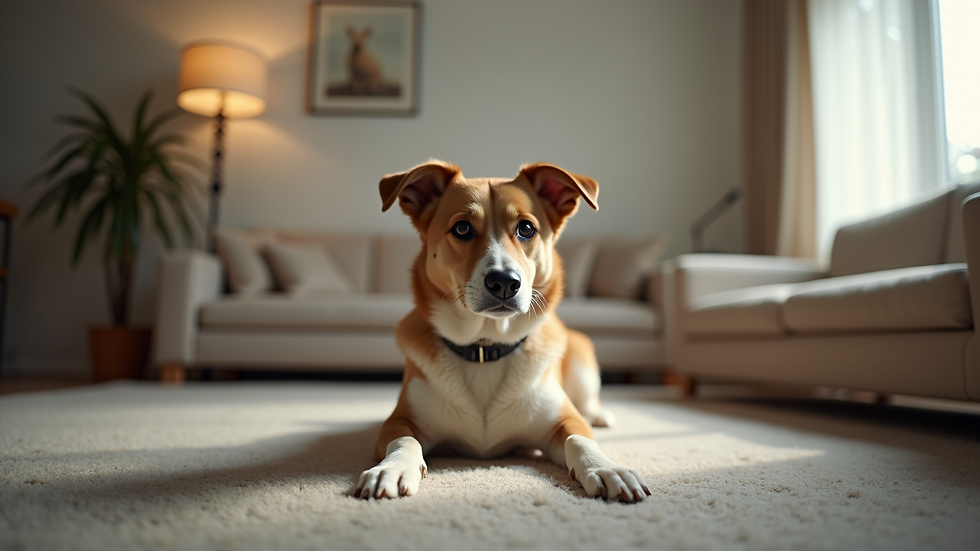
Practical Tips to Reduce Dog Barking at Home
Managing barking at home requires patience and consistency. Here are some practical tips that have worked well for many dog owners:
Set a routine: Dogs thrive on routine. Feeding, walking, and playtime at the same times each day can reduce anxiety-related barking.
Ignore attention-seeking barking: If your dog barks to get your attention, avoid responding until they are quiet. This teaches them that barking is not the way to get what they want.
Use distractions: When your dog starts barking, redirect their attention with a toy or a command.
Socialize your dog: Exposure to different people, animals, and environments can reduce fear-based barking.
Consider professional training: Sometimes, a professional trainer can provide personalized guidance.
Remember, consistency is key. It might take time, but with steady effort, your dog will learn to bark less.
What is the Strongest Dog Barking Deterrent?
When barking becomes a serious problem, many pet owners look for deterrents. But what really works?
The strongest dog barking deterrents are those that are humane and based on training rather than punishment. Here are some options:
Ultrasonic devices: These emit a high-pitched sound that only dogs can hear, interrupting barking without causing harm.
Vibration collars: These collars vibrate gently when the dog barks, distracting them from continuing.
Citronella collars: When the dog barks, a burst of citronella spray is released, which dogs dislike but is safe.
Behavioral training tools: Clickers and treats used in training can be very effective in teaching quiet behavior.
It’s important to avoid harsh or painful methods, as they can damage your relationship with your dog and cause fear or aggression. The best deterrent is one that encourages positive behavior change.

How to Stop Dog Excessive Barking: A Step-by-Step Approach
If you’re wondering how to stop dog excessive barking, here’s a simple plan you can follow:
Identify the cause: Observe when and why your dog barks.
Manage the environment: Remove or reduce exposure to triggers.
Exercise and mental stimulation: Provide plenty of physical activity and puzzle toys.
Teach the “quiet” command: When your dog barks, say “quiet” calmly. When they stop, reward them immediately.
Be consistent: Everyone in the household should follow the same rules.
Seek help if needed: If barking persists, consult a veterinarian or professional trainer.
By following these steps, you’ll be well on your way to a quieter home.
Encouraging Positive Behavior and Booking Your Pet’s Stay
Reducing excessive barking not only improves your home environment but also makes your dog more comfortable and happy. When dogs feel secure and understood, they bark less and enjoy their time more.
If you’re looking for a safe and caring place for your dog to stay while you’re away, consider booking a stay with a trusted pet care provider. A well-managed environment with trained staff can help reinforce good behavior and provide your dog with socialization and exercise.
Taking these steps will not only reduce dog barking but also strengthen the bond you share with your furry friend. If you want to learn more about how to stop dog excessive barking, there are many resources available to guide you.
Remember, patience and love go a long way in helping your dog become a quieter, happier companion.


Comments